
Dental hygieneWarsaw
Professional dental hygiene is the foundation of oral health and the most effective way to prevent cavities, gum disease, and tooth loss. At NW Dental Clinic in Ursynów, we offer comprehensive hygiene treatments that not only restore the freshness and aesthetics of your smile but also support orthodontic, prosthetic, and implantological treatment. Our team of hygienists and dentists works using the latest technologies, ensuring effectiveness and comfort for every patient.
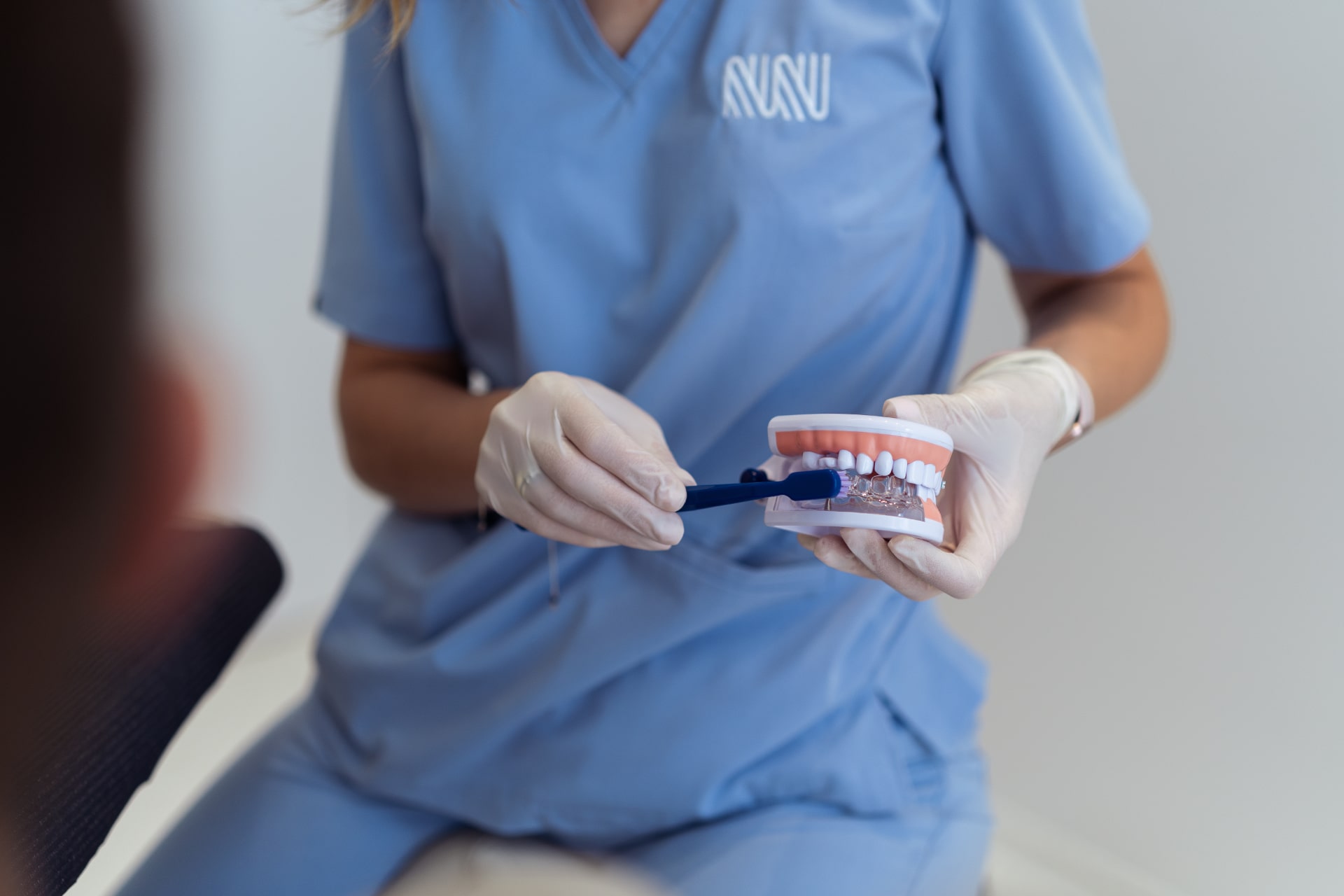
What is professional dental hygiene?
Dental hygiene is a set of specialized procedures performed in a dental office, aimed at the thorough removal of tartar, bacterial plaque, and stains. Hygiene includes ultrasonic scaling, sandblasting, polishing, and fluoridation. These procedures not only improve the appearance of the teeth but, above all, protect against the development of cavities, periodontitis, and bad breath. Regular hygiene is essential for maintaining oral health, especially for people with orthodontic appliances, implants, or a tendency for tartar buildup.
Who should regularly use hygiene treatments?
Hygiene treatments are indicated for everyone – regardless of age or dental condition. We especially recommend them to people with periodontal diseases, patients after orthodontic or implant treatment, smokers, and people with a tendency for rapid tartar buildup. Hygiene is also a mandatory element of preparation for teeth whitening, prosthetic, or surgical treatment. Systematic hygiene visits allow for early detection of abnormalities and avoid costly corrective procedures in the future.
01 Ultrasonic scaling
Removes hard tartar, preventing gum inflammation and periodontitis.
02 Sandblasting
Eliminates stains from coffee, tea, wine, or cigarettes, restoring the natural color of the teeth.
03 Polishing and fluoridation
Smoothes the tooth surface and strengthens the enamel, reducing the risk of cavities and sensitivity.
How does the dental hygiene procedure work?
01
Oral health assessment
The hygiene process begins with a thorough assessment of oral health and the individual needs of the patient.
02
Scaling
Next, the hygienist performs ultrasonic scaling, which is the removal of hard tartar deposits from the tooth surface and below the gum line.
03
Sandblasting
The next stage is sandblasting – removing deposits and stains using a stream of fine powder and water under pressure.
04
Polishing
After cleaning the teeth, polishing follows, which smoothes the enamel surface and makes it harder for bacterial plaque to settle again.
05
Fluoridation
Finally, fluoridation is applied to strengthen the enamel and protect against cavities. The entire procedure lasts from 45 to 60 minutes and is painless – if necessary, we use local anesthesia for patients with sensitivity.
What are the most important benefits of regular hygiene?
Dental hygiene is not only a matter of aesthetics but, above all, an investment in oral health for years to come. Here is what you gain through regular treatments:
Protection against periodontal diseases
Removing tartar and bacterial plaque prevents the development of gum inflammation and periodontitis.
Reduced risk of cavities
Clean teeth are less susceptible to the action of cariogenic bacteria and acids.
Fresh breath and an aesthetic smile
Removing deposits restores the teeth’s natural brightness and eliminates the problem of bad breath.
Enamel strengthening
Fluoridation makes the enamel harder and more resistant to damage.
Early detection of cavities
During the procedure, the hygienist may notice small changes that require intervention by a doctor.
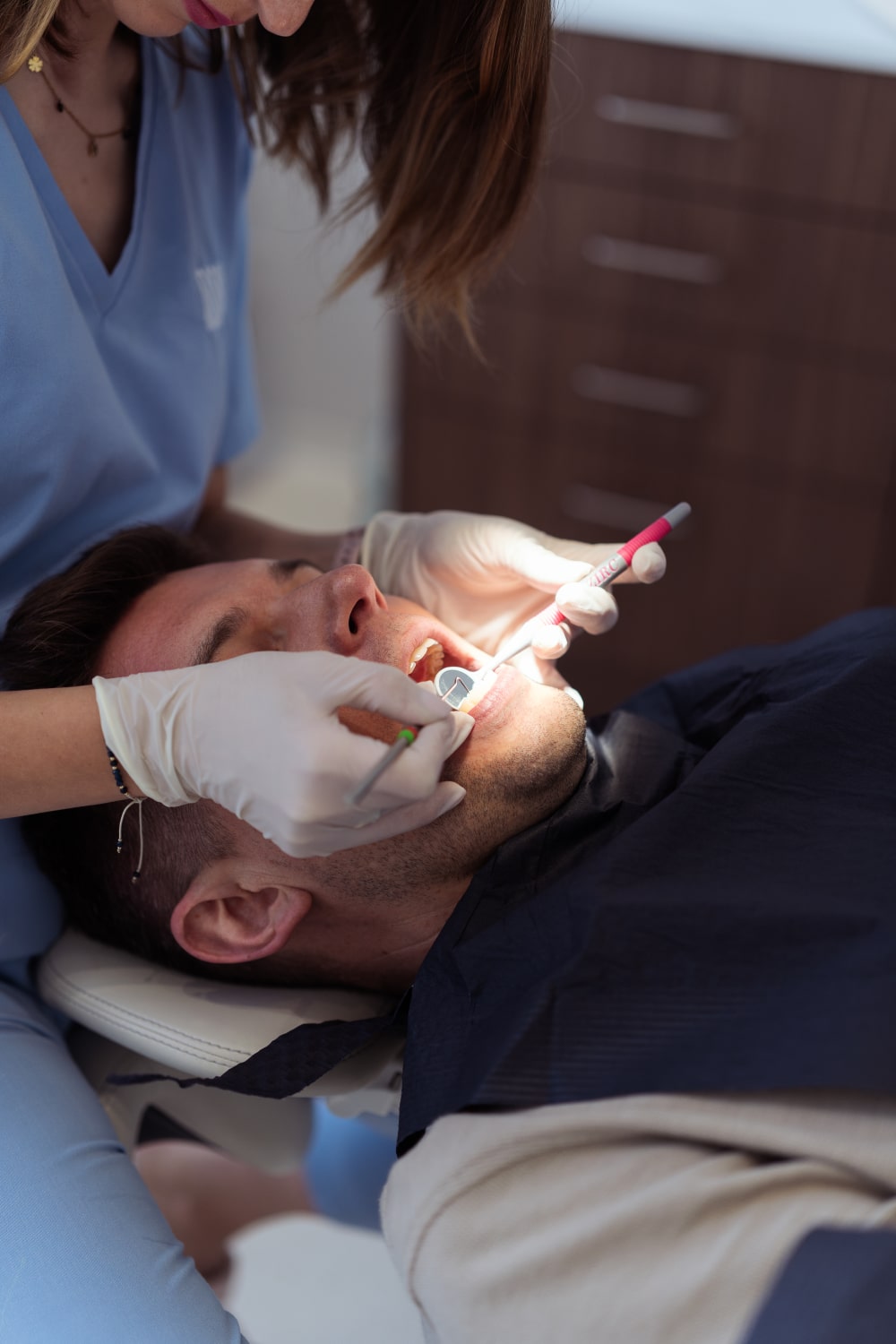
Cost of dental hygiene treatment at NW Dental Clinic Warsaw
The price of dental hygiene depends on the scope of the procedure and the individual needs of the patient. Before starting the procedure, we always prepare a detailed cost estimate and discuss payment options. A traditional hygiene package / GBT protocol hygiene costs between 350-450 PLN:
- Dental hygiene / GBT protocol hygiene
Team of hygiene specialists at NW Dental Clinic
In our clinic, hygiene procedures are performed by qualified hygienists and dentists who constantly upgrade their competencies and implement the latest techniques. Each treatment is individually tailored to the patient’s needs, and the entire process takes place in comfortable and safe conditions.


FAQ
Most frequently asked questions about dental hygiene
Dental hygiene is a topic that raises many questions from our patients. Here are a few of them that frequently arise in our practice:
01 Can dental hygiene treatment affect enamel sensitivity?
After the procedure, some patients may experience temporary sensitivity, especially to cold or sweet stimuli. This symptom usually subsides after a few days, and regular hygiene treatment actually reduces long-term sensitivity by removing tartar and strengthening the enamel.
02 How often should professional dental hygiene be performed?
Standardly, we recommend the procedure every 6 months, but for individuals with periodontal disease, orthodontic appliances, or an increased tendency for tartar buildup, more frequent hygiene may be necessary – even every 3–4 months.
03 Can dental hygiene treatment be performed during pregnancy?
Hygiene treatments are safe during pregnancy and even recommended, as the risk of gingivitis and tooth decay increases during this period. It is worth informing the hygienist about the pregnancy before the procedure.
04 Does dental hygiene treatment remove all stains?
The procedure effectively removes surface stains, however, deep enamel discolorations may require additional whitening or aesthetic treatments.
05 Can I eat and drink immediately after dental hygiene treatment?
We recommend refraining from eating and drinking staining beverages for at least 2 hours after the procedure to allow fluoride treatments to work fully and to maintain the cleaning effect for longer.